Parenting brings joy but also moments that test patience and emotional balance. Stress rises with juggling care, responsibilities, and uncertainty. Many parents ask, “How can we keep calm when the house feels like chaos?” We believe that one practical answer lies in mindful approaches that anchor the mind, heart, and behavior. Marquesian meditation draws from an integrative perspective, helping parents remain centered during even the most stressful parenting events.
Understanding family stress and the power of presence
All parents know the feeling—a spilled drink, a sibling argument, or a sudden tantrum before work. These moments spark emotional reactions in us that can spiral if left unchecked. In our experience, most of our responses come not just from the immediate situation, but from unconscious patterns and accumulated stress. Before we know it, irritability, guilt, or even shame can take over.
Marquesian meditation invites a change: from automatic reaction to conscious response. Rather than letting stress set the tone, we focus on becoming present and aware, letting us choose a different way of being.
“Presence is the doorway through which new responses become possible.”
This practice is not about perfection. It is about noticing, pausing, and gently returning attention to what matters most in the moment—a child’s need, your values, and the bigger picture of parenting with intention.
The foundations of Marquesian meditation in parenting
We view Marquesian meditation as more than a relaxation tool. It combines elements of philosophy, psychology, and behavioral science, focusing on five interconnected pillars:
- Purposeful awareness: understanding the meaning behind our parental choices.
- Emotional reading: recognizing subtle feelings in ourselves and our children.
- Practical presence: applying tools to ground our attention when stress spikes.
- Systems thinking: seeing the family as a web of relationships, each influencing the rest.
- Values-driven action: using our deepest values to guide responses, not just habits or reactivity.
When applied in daily life, this framework supports conscious maturity and wellness at home. Parents report less reactivity, increased patience, and a deeper sense of connection with their children.
Common stressful moments and how meditation helps
From our work with parents, certain situations appear often as sources of stress. How can meditation help in these real-life moments?
- Morning rush: Getting everyone ready on time often leads to raised voices and forgetfulness. By anchoring attention in the breath for even 60 seconds before the day begins, we arrive calmer and more focused.
- Tantrums and upsets: A child’s strong emotions can trigger frustration or helplessness. With meditative grounding, we are more likely to notice our own escalation and pause before reacting, offering a calm presence instead.
- Disagreements between siblings: Parents may get pulled into refereeing or feel impatient. Mindful awareness helps us see the wider emotional context and respond with understanding, rather than just stopping the conflict.
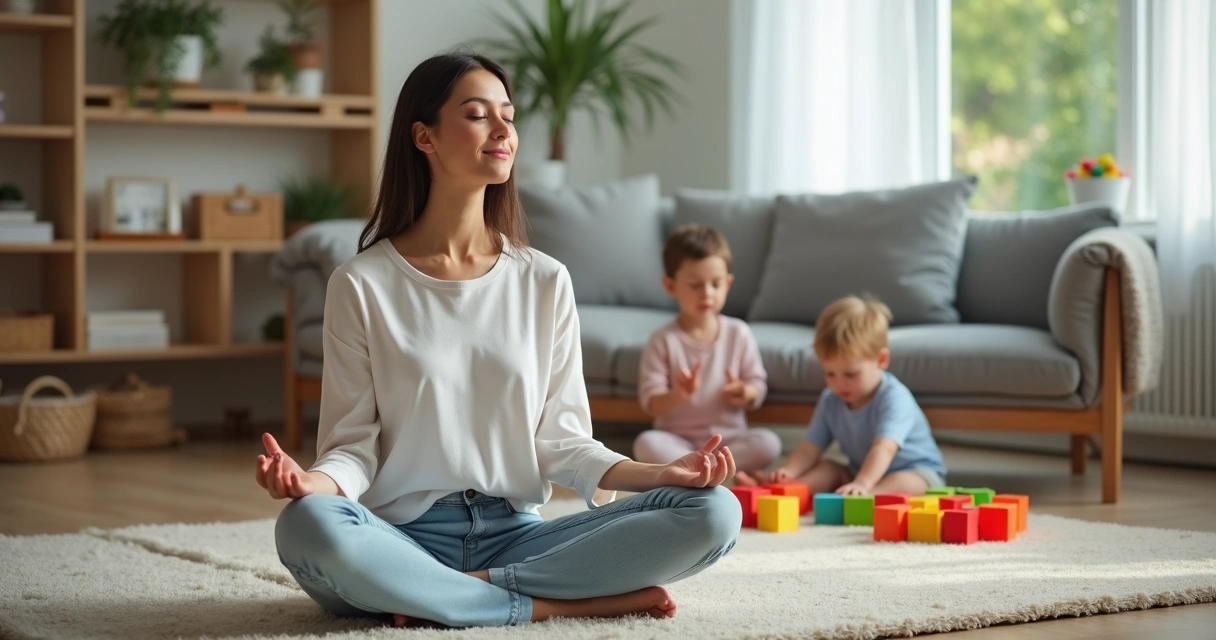
- Parental overwhelm: When our own energy is drained, we may snap or withdraw. Even a brief meditation restores attention to the present and invites compassion—for ourselves and others.
We have observed that with regular practice, stressful moments become opportunities. Parents begin to notice the early signs of tension and respond in new ways, creating a more balanced family environment.
How to start using Marquesian meditation in stressful times
Many parents wonder whether meditation really fits in busy lives. Our answer: it does, when shaped to real routines and needs. Here is how we encourage starting:
- Choose a regular cue: For example, before school drop-off, after a conflict, or before bedtime. Associate this time with a simple meditation—just two to five minutes.
- Adopt a practice of focused breathing: Sit or stand with your back straight. Feel your feet on the floor. Focus attention on the breath, counting three slow inhales and exhales. Allow thoughts to rise and fall without pushing them away.
- Include compassionate self-talk: Remind yourself gently, “This is a challenging moment, and I am choosing presence.” These words change the inner narrative, reducing guilt and self-criticism.
- Observe with openness: Notice sensations, emotions, or stories in your mind. The goal is not to force calm, but to become aware. Even acknowledging stress without judgment supports emotional clarity.
- Re-enter family life with intention: After your short practice, choose one simple, value-derived action. It could be a kind tone, a pause before replying, or a moment to listen to your child.
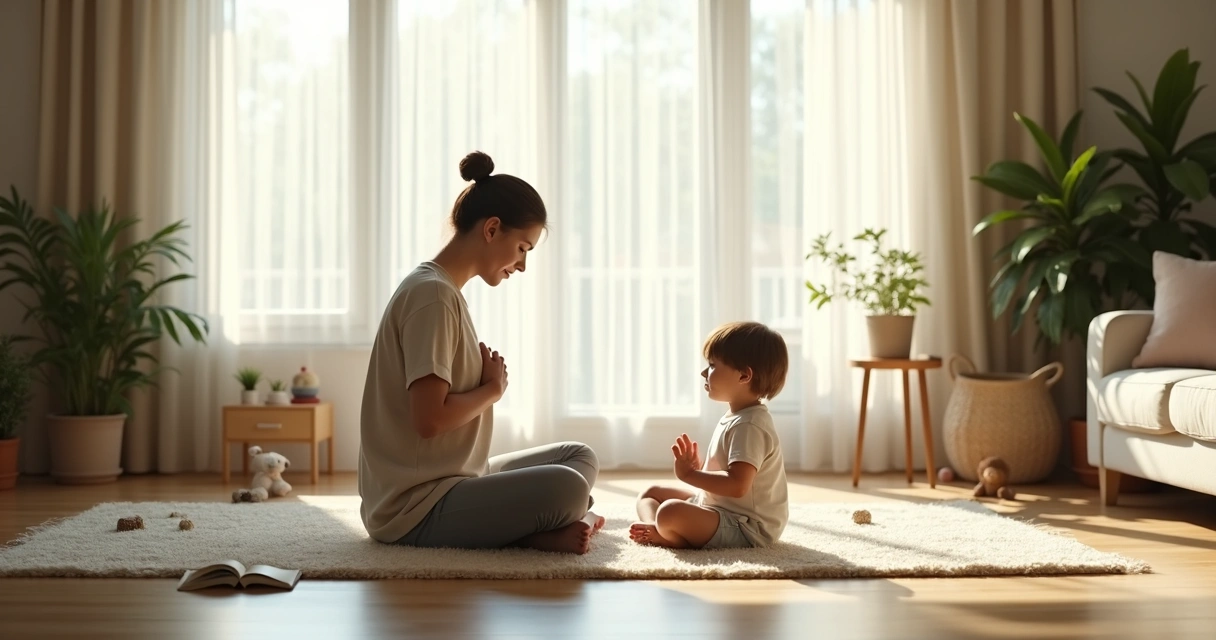
Some parents use gentle reminders or set a timer as support. Others invite children to join, making meditation a family practice. No need for silence or perfection—the process itself builds resilience over time.
Integrating meditation with emotional maturity and values
We have found that meditation grows deeper when connected to values and emotional maturity. As we gain awareness, we see how our reactions are often guided by ingrained patterns rather than thoughtful intention. We are invited to ask:
- What values do we want to embody as a parent even in stress?
- Which recurring feelings signal old patterns in us?
- How might we respond differently if we felt whole and grounded?
Developing emotional maturity and clarifying core human values support this growth. Meditation acts as the bridge between knowing and doing. When we combine meditation with honest emotional reading, our parenting shifts from control or reaction to genuine connection and guidance.

The ripple effects of Marquesian meditation at home
We see repeatedly that when one parent builds a personal meditation practice, the entire home environment shifts. It is not about fixing every moment, but about bringing a steadier, more conscious presence that encourages trust and openness. Children often respond by reflecting more calmness and adaptability themselves.
“When adults change how they show up, children feel it—even before a word is spoken.”
Learning to steady our minds changes how stress echoes through the family system. Over time, even small, regular practices can reshape patterns of conflict and anxiety, offering a more peaceful foundation for everyone.
This approach is also deeply connected to behavioral science and contemporary understandings of human development. By becoming aware of our patterns, we set in motion healthier behaviors and greater wellbeing for all.
For those wishing to learn more about practical tools and ideas grounded in meditation, consciousness, and behavioral science, many resources exist to support the next steps on your path.
Conclusion
We believe every parent has the ability to bring more clarity and gentleness into daily family life. Marquesian meditation for parents is not about being calm all the time—it is about learning how to return to calm, again and again, even when life is unpredictable. By making small, consistent choices for presence and awareness, we build a foundation of emotional maturity and value-driven action. Over time, stress gives way to deeper relationships and more meaningful experiences for the whole family.
Frequently asked questions
What is Marquesian meditation for parents?
Marquesian meditation for parents is a practical approach that blends mindful presence, emotional clarity, and values-based action to support parents during stressful moments. It draws on several principles, including conscious awareness, emotional maturity, and integrative systems thinking, helping parents calm themselves and respond thoughtfully to family challenges.
How can I start Marquesian meditation?
We recommend starting with brief, focused breathing sessions—just a few minutes a day—especially before or after predictable stress points. Sit comfortably, focus on your breath, and gently direct your awareness to the present without judgment. With regular practice, presence builds and becomes available even in busier moments.
Is Marquesian meditation good for stress?
Yes, Marquesian meditation helps parents calm their body and mind, reducing the automatic reactivity that often comes with stress. Through regular practice, parents report having more patience, less tension, and greater ability to handle difficult moments with their children.
How long does a session take?
Sessions can be as short as two to five minutes, especially when integrated into normal daily routines. Some parents extend sessions when they have time, but the key is consistency. Even short practices bring noticeable benefits.
Can kids join Marquesian meditation sessions?
Yes, children can join in meditation practices with their parents, often learning presence and emotional regulation through example. Family sessions create a shared sense of calm and openness, and make meditation part of the home routine. Adapting activities to their age and attention span makes it welcoming for all.