

Inner development is not about reaching a perfect state, but about growing with more awareness, maturity, and meaning in life. In our experience, people often start strong with personal growth, only to plateau or even stall. While some barriers to this progress are well known—like lack of time, resources, or external support—many subtle ones are quietly at work, keeping real transformation just out of reach.
We have noticed that, often, it’s the overlooked and quiet barriers that hold us back. Today we’ll shine a light on seven of these less obvious obstacles, showing how they can influence our journey toward inner clarity and maturity.
1. Confusing comfort with growth
Growth and comfort rarely go hand in hand. Many of us convince ourselves we are progressing just because we feel calm, safe, or free of apparent problems. New routines may feel like victories, but if they no longer challenge us, they quickly become a new comfort zone.
“If nothing feels uncomfortable, nothing is changing.”
We believe growth starts beyond the edge of what is familiar, not within it. Comfort disguised as progress leads to stagnation. Regularly asking ourselves where we have become comfortable—and whether this comfort matches authentic growth—helps us stay honest about our development.
2. Mistaking information for integration
There is no shortage of books, podcasts, and courses about self-awareness and transformation. Many of us consume content eagerly, feeling wiser after every chapter or inspiring talk. In practice, however, knowledge without integration changes little.
Real change requires living out what we learn, not just knowing it intellectually. This means putting theory into action through reflective self-observation, feedback, and practice in real scenarios—personal, social, or professional. The cycle of learn-act-reflect is what shifts information into embodied maturity.
3. Unseen emotional defense mechanisms
We all develop ways to avoid pain or discomfort—shielding ourselves from criticism, rejection, or difficult emotions. These defense mechanisms often play out unnoticed. They can take the form of rationalizing failures, blaming others, excessive perfectionism, or emotional numbing.
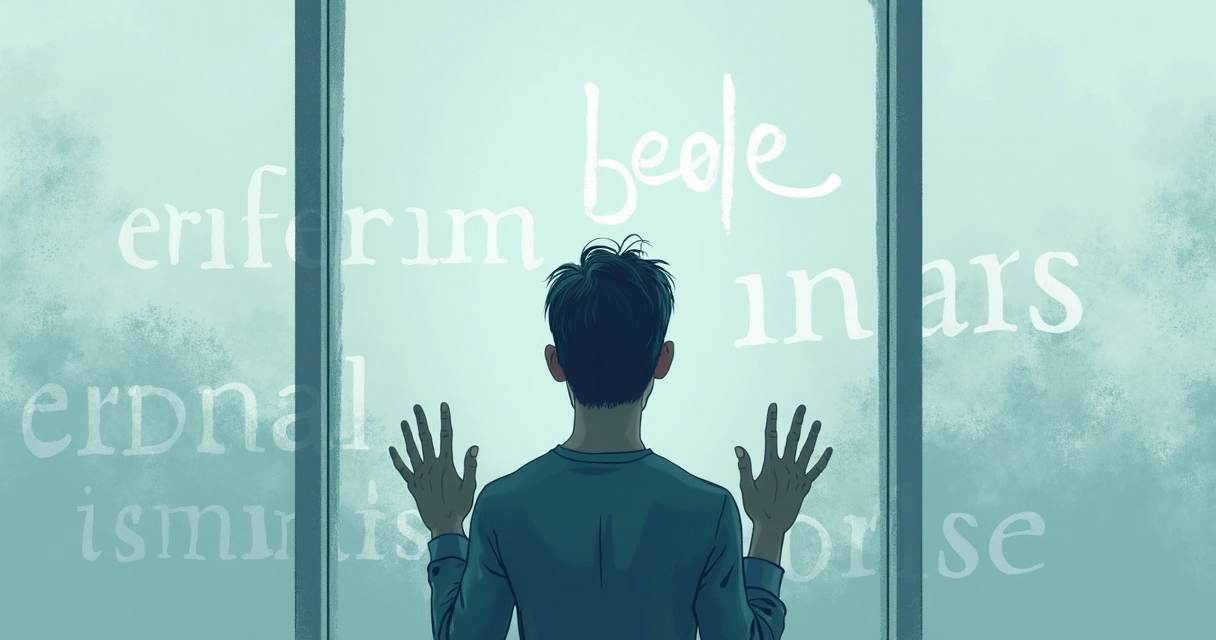
It’s often easier to see surface habits than to confront these deeper strategies of emotional avoidance. Honest reflection, mindful check-ins, and sometimes the courage to be vulnerable with trusted peers can reveal the patterns that limit us.
4. Ignoring the influence of systemic patterns
Our lives unfold within many systems—family, culture, workplace, and society. Patterns that exist within these systems often shape our identity, relationships, and choices in ways we underestimate. You might notice repeating outcomes in your life or career that make little sense when taken individually. Often, these are symptoms of an invisible influence at the systemic level.
Making progress often means stepping back to ask: which patterns in the systems I belong to are actually guiding my behavior or limiting my choices? Addressing these often means gently questioning long-held assumptions or re-examining our roles in groups. For more insights, we always point readers toward our reflections on behavioral science.
5. Overlooking conflicting inner drives
Humans are complex. We can hold two opposing desires or fears at the same time—wanting change but also fearing the loss it brings, craving connection but clinging to independence, reaching for success while harboring guilt about it. When these drives clash, growth gets stuck in a push-pull rhythm.
Clarity emerges when we consciously name and feel these inner splits. Acknowledging tension, rather than suppressing it, lets us negotiate with the different parts of ourselves, finding more unity inside. This level of honesty is often at the root of lasting progress.
6. Disconnecting values from behavior
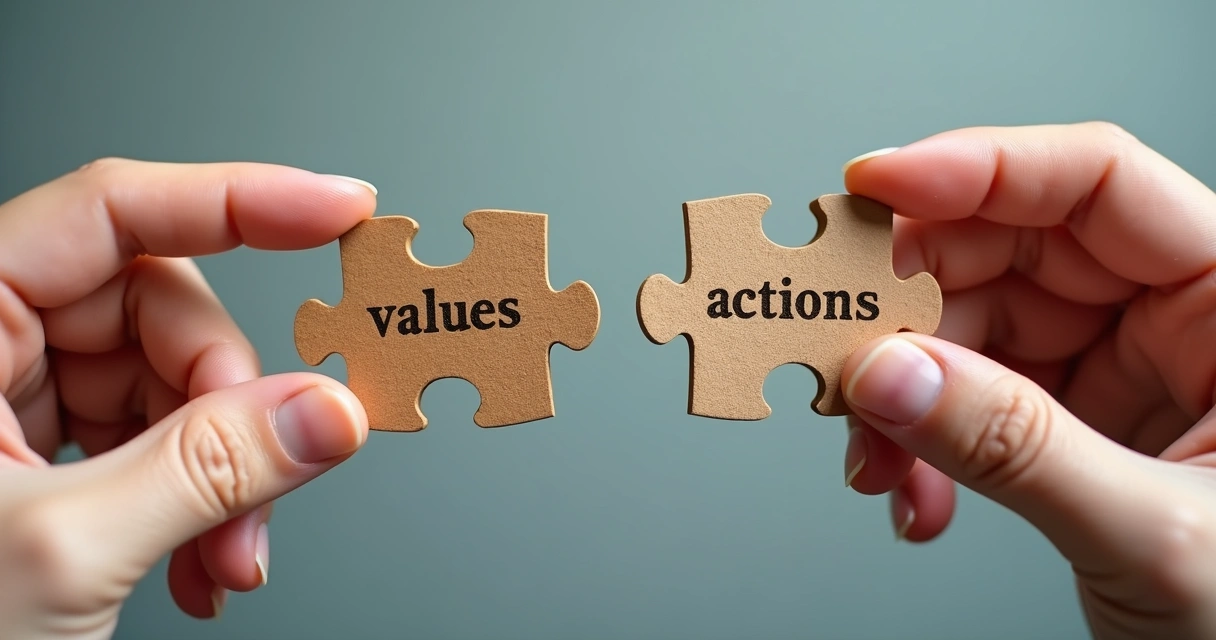
Most people can name their core values. But in daily choices, especially under pressure, behavior can easily slip out of alignment with what truly matters. It is easy to overlook small compromises that, over time, create distance between what we say and what we do.
We see authentic growth as the slow and patient work of making our actions reflect personal values, even in tough moments. Small daily adjustments bridge the gap between intention and behavior, renewing a sense of congruence and purpose.
Those interested in connecting their actions with personal values might appreciate related themes in our section on human values.
7. Underestimating emotional maturity
Emotional maturity is more than just managing feelings or knowing how to calm down. It’s about meeting challenges with clarity, taking responsibility, and relating with empathy. The gap between emotional knowledge and mature relational practice can be wide, especially when under stress or during conflict.
“Emotional maturity is tested most when we least want to show it.”
We find that intentional focus on emotional maturity helps unlock deeper stages of growth. When we meet life with humility and curiosity, rather than control or defensiveness, true internal progress naturally follows.
Building a foundation for real progress
Barriers to inner development are not always dramatic or obvious. More often, the small, subtle blockages quietly shape our path. We encourage gentle attention to these seven areas as a starting point for any growth work:
- Recognize when comfort feels like progress
- Put knowledge into action, not just memory
- Hold up a mirror to our defenses
- Look for influences from our bigger systems
- Name tensions between our inner drives
- Bridge gaps between values and what we do day by day
- Prioritize ongoing emotional maturity
Some readers may want to support this journey with practices like meditation or by deepening their awareness through resources on consciousness and behavioral science. There is no single path, but noticing the barriers is the first real step forward.
Conclusion
We understand that for meaningful inner progress, we must learn to watch for the subtle, hidden barriers that quietly shape our decisions. These are not just minor obstacles, but signposts pointing toward areas where growth is truly possible. By bringing light to these overlooked barriers, we support authentic transformation—step by step, with honesty, patience, and clear intention.
Frequently asked questions
What is inner development progress?
Inner development progress is the ongoing process of becoming more aware, emotionally mature, and congruent with one's values. It involves observing ourselves honestly, making conscious choices, and growing in ways that impact our personal, professional, and social lives.
What are common barriers to growth?
Common barriers to growth include comfort zones, focusing on knowledge over practice, unconscious defense mechanisms, systemic influences, inner conflicts, disconnect between values and actions, and low emotional maturity. These are often subtle and require continuous reflection to notice and move beyond.
How can I overcome inner obstacles?
We find that consistent self-reflection, honest feedback, and willingness to embrace discomfort are key. Taking small steps—like acting on what you learn or seeking support in moments of tension—can break old patterns and open new space for growth.
Is inner development worth the effort?
Yes—inner development leads to greater self-understanding, resilience, and a stronger sense of purpose and satisfaction in life. While it requires time and patience, its benefits reach into relationships, work, and the ability to respond well to life’s changes.
What slows down personal growth most?
Staying in familiar comfort, relying only on information, and ignoring emotional or systemic patterns are common factors that slow growth. Growth happens when we step into awareness and courageous action, one choice at a time.