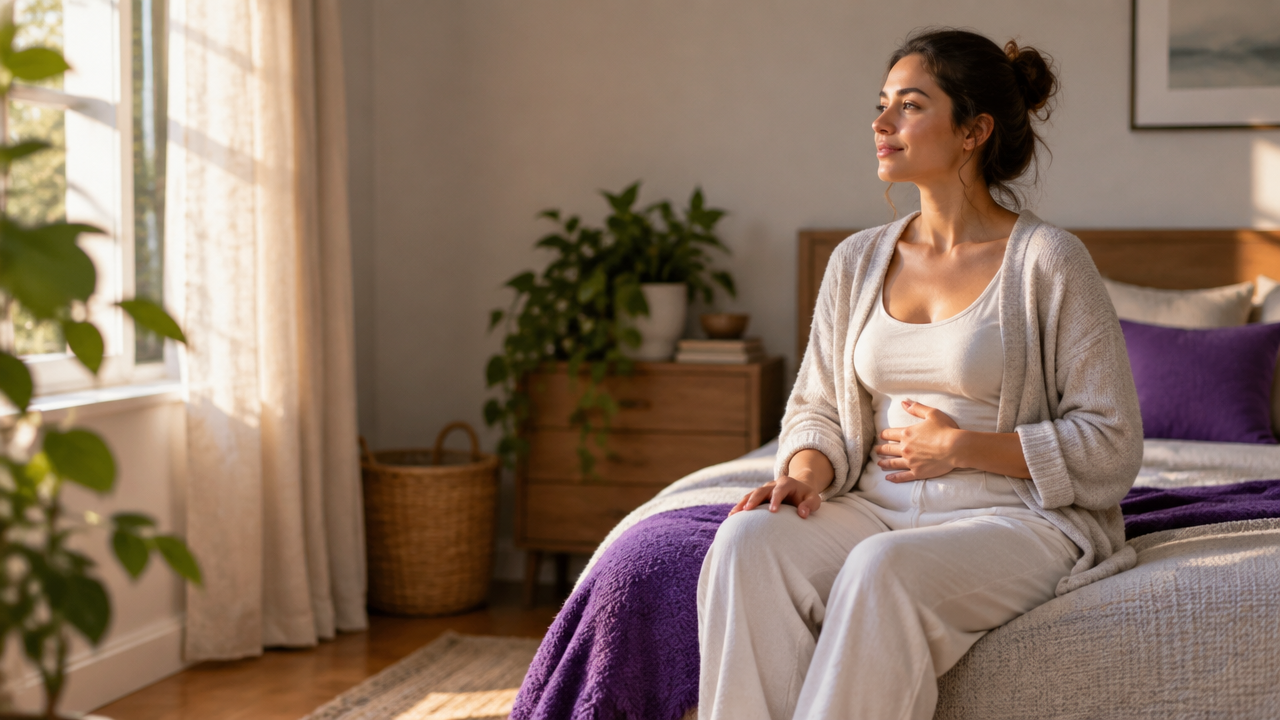
Work can be rewarding. But it's not rare for the workplace to feel tense, even overwhelming. Our minds run with deadlines, feedback, unexpected changes, and, sometimes, uncertainty about the future. At Mindful Breathing Zone, we believe that managing anxiety at work is possible using methods that are grounded, practical, and rooted in the integration of emotion, consciousness, and behavior.
Breathing is our most fundamental bridge between body and mind, and with simple exercises, we can directly influence how we feel and respond to stress at work.
Why does breathing help with anxiety?
Most of us have noticed our breath change when we are nervous or tense: shallow, quick, even a little choked. This is not just coincidence; it's biology. When our brains sense stress, the body prepares for action. This means rapid breathing, faster heart rate, and more muscle tension. This is helpful if we need to escape danger, but at the office, it’s not always helpful to be wired this way.
When we slow and deepen our breath, we send a signal of safety to our nervous system, inviting calm and focus.
Techniques like those we encourage at Mindful Breathing Zone are not only about “relaxing” in a simplified sense. They strengthen self-regulation, deepen awareness, and help in making more conscious choices, even in a demanding professional environment.
How to start: Breathing basics at work
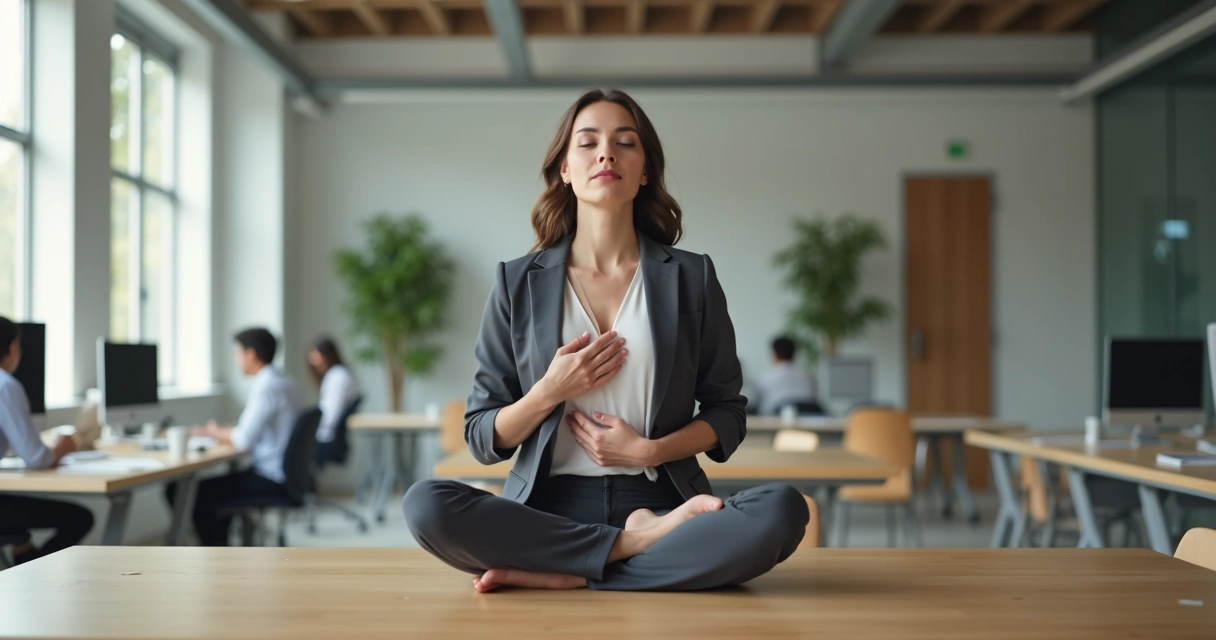
Starting a breathing practice does not require a quiet room, yoga mat, or lots of extra time. The desk, breakroom, or even an elevator ride can become spaces to pause and breathe. Let’s walk through the basics before getting into specific exercises:
- Try to keep your back supported, feet flat on the ground, and shoulders relaxed.
- If you can, close your eyes or lower your gaze to avoid distractions.
- Notice your breath as it is, without changing anything right away.
- Bring attention to the coolness as you inhale, and the warmth as you exhale.
If thoughts pop up — and they will — that’s natural. Notice them, let them go, and gently return attention to your breath.
A few calm breaths can change the whole mood.
Three practical breathing exercises you can use at work
We have worked with a wide range of techniques as part of the Marquesian Meditation pillar at Mindful Breathing Zone. Some are intensive, but the following are quick, simple, and don’t draw attention. We recommend finding one or two that feel good for you.
1. Box breathing (also called four-square breathing)
This technique is favored for its simplicity. It helps restore balance and steadiness.
- Inhale slowly through the nose to a silent count of 4.
- Hold the breath for 4 counts.
- Exhale gently through the mouth for 4 counts.
- Pause with lungs empty for 4 counts.
Repeat this cycle 4 times, and notice any shift in tension.
2. Extended exhale breathing
Anxiety often leads to short, quick breaths. By extending the exhale, you can cue the body to relax.
- Inhale deeply through your nose for 4 counts.
- Exhale slowly through your mouth for 6 counts.
Do this for 5 rounds. The longer exhale engages the body’s calming response, making it easier to think clearly.
3. 3-3-6 relaxation breath
This breathing pattern is easy to remember, and effective even during short breaks.
- Inhale gently for 3 counts.
- Hold gently for 3 counts.
- Release your breath in a long, smooth exhale for 6 counts.
Repeat for a few minutes. This can help soften mental noise and restore clarity.
What changes when we breathe consciously
At Mindful Breathing Zone, we observe that regular conscious breathing affects more than just “stress.” It improves our responses. When practiced over time, breathing exercises can give us a felt sense of autonomy, helping shift patterns of reactivity toward conscious action.
Breathe, pause, choose. Each breath is a fresh decision.
Breathing impacts brain chemistry in ways that can calm emotional storms, even before thoughts catch up. Regular practice can even improve emotional maturity over months, as shown in frameworks like the 7 Levels of the Evolutionary Process.

Fitting breathing exercises into a busy workday
We often hear from clients that the biggest challenge is remembering to use breathing tools when it matters most. To make breathing a regular part of your day, we have found it helps to connect the exercises with natural pauses that are already present:
- Before opening your email in the morning
- After finishing a meeting or phone call
- While waiting for your computer to start up
- Before difficult conversations
A single focused minute can make a real difference. It’s not about meditating for hours, but about quality over quantity. The more consistently you practice, the easier it becomes to use in difficult moments.
Breathing and the five integrated pillars
Inside the Marquesian Metatheory of Consciousness, breathing links each pillar in a practical way. Through conscious breath, we ground our awareness, access emotional clarity, and become more present, as underlined in emotional maturity practice. These everyday skills build a solid foundation for handling anxiety at work more wisely.
If you want to get a deeper theoretical background, our behavioral science articles discuss how conscious breathing supports self-regulation and long-term habits. You can also learn more about the connection between mind, breath, and responsibility in our consciousness section.
Tips for making breathing a habit
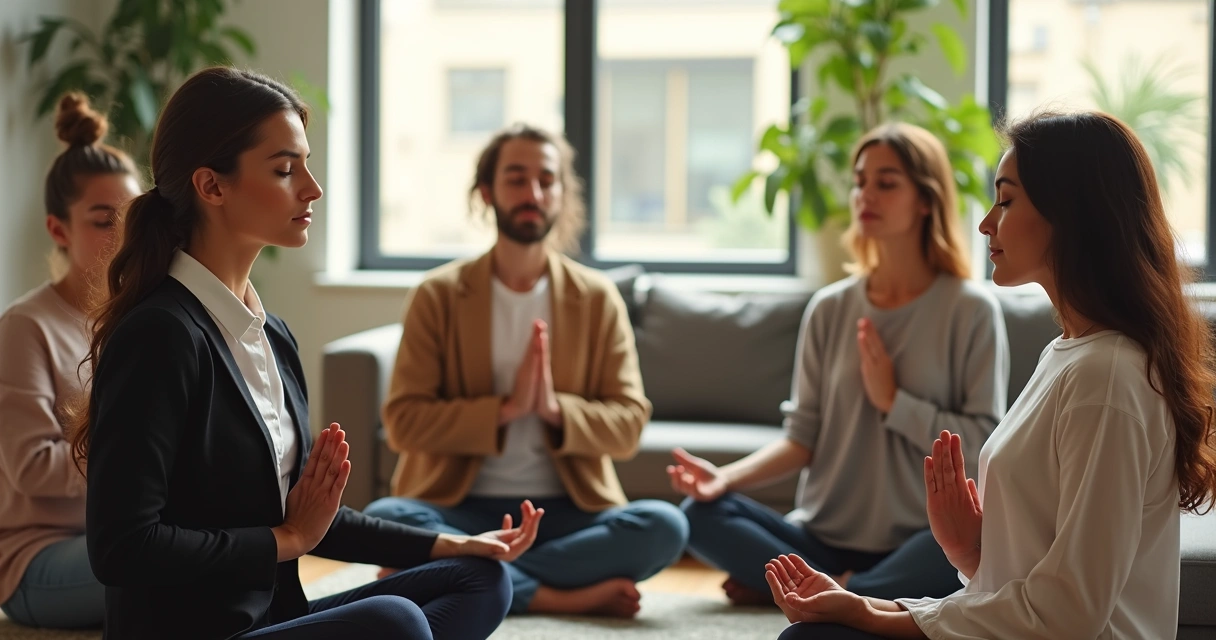
Starting is easy, but making breathing exercises a habit requires kindness toward yourself. Here are practical steps we often share in our trainings:
- Set reminders on your phone or sticky notes with a single word: “breathe.”
- Pair breathing with regular activities, like handwashing or coffee breaks.
- Start with just one or two exercises you like, and don’t expect instant mastery.
- Reflect, at the end of your day, on when you remembered to breathe and when you missed the chance.
Over time, this gentle approach allows breathing to become a reliable support, even in the toughest situations.
When anxiety feels overwhelming
If you ever feel anxiety at work is more than you can handle with breathing alone, it’s a good idea to seek extra support, whether through a counselor, HR, or a trusted mentor. Conscious breathing is not a replacement for professional care, but it’s a powerful starting point and a steady ongoing resource.
Conclusion
Breathing mindfully is one of the simplest and most direct ways we have found to ease anxiety and foster greater presence at work. With regular use, even brief exercises can promote balance, improve focus, and build resilience. At Mindful Breathing Zone, our commitment is to help people harness these methods as part of a larger journey toward conscious, mature, and purposeful living—at work and beyond.
To discover more hands-on techniques, reflections, and in-depth knowledge on conscious breathing and applied transformation, we invite you to visit our full collection of articles and practices and connect with our community.
Frequently asked questions
What is a simple breathing exercise?
A simple breathing exercise is an intentional way of inhaling and exhaling, often following a set pattern, to influence your mental and physical state. Examples include box breathing, where you inhale, hold, exhale, and pause for equal counts, or simply making your exhale longer than your inhale. These can be done almost anywhere and do not take much time.
How can breathing help with anxiety?
Breathing affects the nervous system. When we control our breath, especially by slowing it and making it deeper, we tell the body that we are safe. This reduces the stress response and calms anxiety, making it easier to think and act wisely at work.
How often should I practice breathing exercises?
We suggest practicing for 1–3 minutes at least a few times per day, especially during stressful moments or transitions. Frequent short sessions are more sustainable and help build the habit, so you naturally reach for the breath when you need it most.
When is the best time to do them?
Anytime your stress rises, or during natural breaks during your workday. Good times include before meetings, after receiving tough feedback, or right before starting a complex task. You can even set reminders at fixed points in your daily routine.
Can breathing exercises be done at my desk?
Yes, absolutely. Most simple breathing exercises are designed to be discreet and effective even while sitting at your desk or workstation. No special equipment is needed, just a moment of attention and a willingness to pause.