Many homes run on habits that no one planned. We react, others respond, and the same result appears again. After a while, it feels normal. Yet what feels normal may be a loop.
A systemic feedback loop is a repeating pattern in which one action triggers another, and the response feeds the first action again.
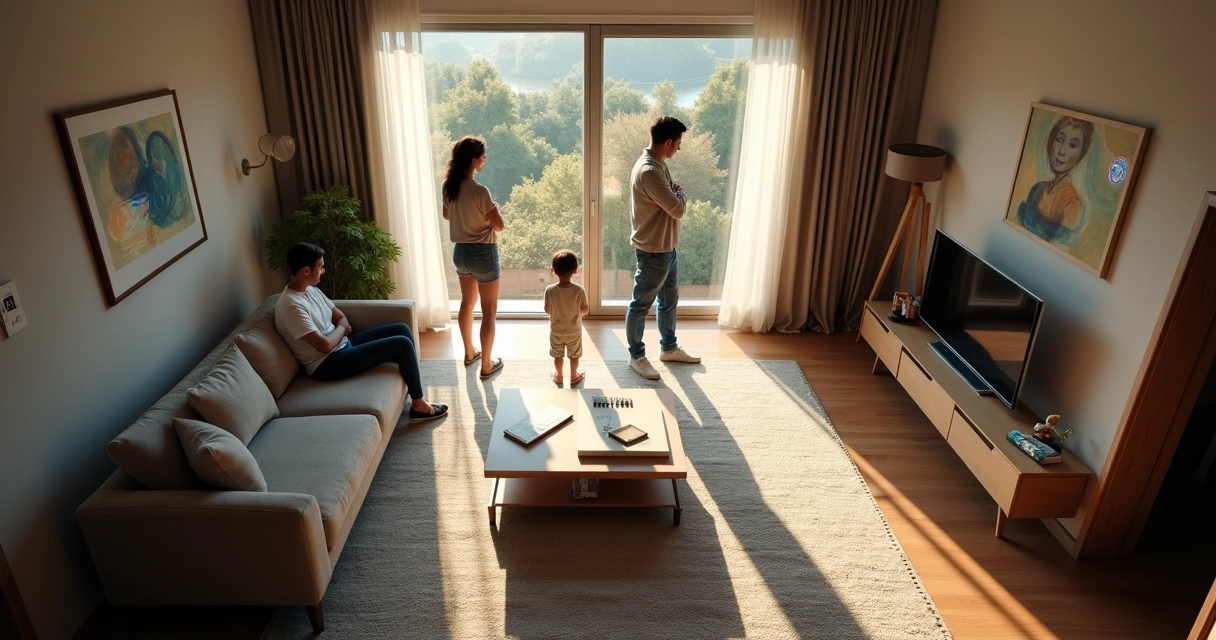
We see this often at home. One person withdraws, another presses harder, tension rises, silence follows, and the cycle starts again the next day. The issue is not only the words spoken in one moment. It is the structure of the interaction.
When we look at family life through this lens, blame starts to lose strength. We begin to ask better questions. What repeats here? Who reacts to what? What hidden fear, role, or expectation keeps the cycle alive? These questions open space for change.
Why recurring patterns form at home
Home is where we tend to act with less filter. That can bring warmth, but it can also expose old defenses. A person who felt unheard in the past may raise their voice quickly. Another who grew up around conflict may shut down at the first sign of tension. Neither response appears out of nowhere.
In our experience, recurring home patterns usually grow from a mix of emotional memory, daily stress, and silent agreements that no one names. We may not sit together and decide, “You will overfunction, and I will avoid.” Still, that is what many homes begin to do.
Old pain shapes present reactions.
Stress narrows patience and attention.
Roles become fixed, such as the fixer, the critic, or the peacemaker.
Unspoken rules limit honest communication.
Sometimes the pattern is quiet. A partner forgets tasks, the other partner takes over, resentment grows, and both feel alone. No shouting. Still a loop.
What repeats is asking to be seen.
How feedback loops show up in daily life
These loops rarely announce themselves. They appear in rushed mornings, money talks, parenting stress, and even small things like dishes in the sink. A simple event touches a deeper theme, and then the same dance begins.
We may notice examples like these:
One person criticizes.
The other feels attacked and defends.
The first feels ignored and criticizes more.
Or this one:
One person senses distance.
They demand attention in a sharp tone.
The other pulls away to avoid conflict.
The distance grows, confirming the first person’s fear.
The loop survives because each person’s protective move creates the very reaction they fear.
This is why logic alone often fails in family conflict. We can know what would help, yet still repeat what hurts. The body reacts before reflection enters.
That is also why practices that support consciousness matter in home life. They help us notice the pattern while it is happening, not only after the damage is done.

How to recognize the pattern instead of the episode
One of the biggest shifts is learning to stop studying only the latest argument. We need to see the chain, not just the last link. When we do that, home becomes easier to read.
A useful way to begin is to observe a recent conflict and write down the sequence without judging it. Keep it plain. Who spoke first? What tone appeared? What happened next? What feeling rose in each person?
We suggest looking for these signs:
The same issue returns with different details.
People take the same roles in each conflict.
The ending feels familiar, even if the topic changes.
Small triggers create large emotional reactions.
We once saw a family who believed their main problem was untidiness. But when they slowed down, a different truth appeared. The mess was not the center. The loop was about control and recognition. One person cleaned to feel safe. Another resisted to feel free. The floor became a stage for a deeper struggle.
Studying themes like behavioral science can help us name these repeated interactions with more clarity and less shame.
What keeps the cycle alive
It is tempting to think the pattern continues because one person is stubborn. Sometimes stubbornness is there, yes. Still, loops usually remain because they offer a hidden payoff, even when they hurt.
That payoff may be emotional safety, familiarity, or a sense of identity. If we have always been “the responsible one,” letting others carry weight may feel unsafe. If we have always been “the ignored one,” we may speak only when our frustration is already high.
People often repeat painful patterns because the known feels safer than the unknown.
This is where growth in emotional maturity becomes very helpful. Maturity is not cold control. It is the ability to feel, pause, and choose a response that does not feed the old cycle.
It also helps to ask whether the home is organized around fear, duty, or mutual respect. These different bases create very different loops. In homes shaped by fear, silence often hides truth. In homes shaped only by duty, care can turn into resentment. In homes shaped by respect, repair becomes more possible.

Ways to interrupt a negative loop
Changing a home pattern does not start with controlling everyone else. It begins when one part of the system changes its response. That may sound small. It is not. One clear pause can alter the next ten minutes, and sometimes much more.
Here are practical ways we can interrupt a negative cycle:
Name the pattern calmly when no conflict is active.
Slow the pace of the exchange before answering.
Speak from feeling and need, not accusation.
Set limits on disrespect without punishing silence.
Return to the issue later if emotions are too high.
Short grounding practices also help. A minute of steady breathing, a glass of water, or a brief step into another room can reduce reactivity. This is one reason many people benefit from practices related to meditation. Presence changes timing, and timing changes outcomes.
We also think values matter here. A home improves not only from better technique, but from a shared sense of what kind of people we want to be with each other. Themes linked to human values support that shift.
Conclusion
Recurring patterns at home are not random. They are signals. They show us where fear, unmet need, fixed roles, and old pain keep shaping the present. When we learn to spot the loop instead of only reacting to the latest event, we gain room to choose differently.
The goal is not a perfect home. It is a more conscious one. A home where reactions are noticed sooner, words carry more truth, and repair becomes more common than repetition. That change often begins in one quiet moment, when one of us sees the cycle clearly and refuses to feed it again.
Frequently asked questions
What is a systemic feedback loop?
A systemic feedback loop is a repeating interaction in which one person’s behavior triggers a response that strengthens the first behavior again. At home, this can happen in conflict, silence, control, avoidance, or overhelping.
How can I spot patterns at home?
We can spot patterns by looking for repeated sequences, not isolated events. Notice which topics keep returning, who takes which role, what emotions rise fast, and how the conflict usually ends. Writing the sequence down can make the pattern easier to see.
Why do feedback loops happen repeatedly?
They repeat because they are tied to habit, emotional memory, and learned protection. Even painful patterns can feel familiar, and familiar reactions often happen faster than thoughtful ones.
How to break negative feedback cycles?
We break them by changing one part of the sequence. That may mean pausing before reacting, naming the pattern calmly, speaking with honesty instead of blame, and returning to the discussion when the emotional charge is lower.
Are feedback loops always bad at home?
No. Some loops support trust and care. For example, one person speaks openly, another listens well, safety grows, and future honesty becomes easier. Healthy loops can also repeat, and they help create steadier relationships.